By the wall, a collection of bags has begun to look like an agreement. There’s room for a person to sit between two of them. A bottle stands where somebody can reach it without turning around. The open patch in front remains clear because it belongs to a movement that hasn’t happened yet.
At a busy skate spot, these arrangements are constantly being revised. A person arrives and begins putting things down, then realizes the position is awkward. Someone moves a foot to make room for a board passing close to the wall. There may be very little conversation about the use of the space, although considerable attention is being given to it.
The sound helps describe what is happening beyond the direction a person happens to be looking. Wheels approach a seam in the concrete, pass over it, and continue toward another part of the spot. A different sound draws several people’s attention at once. Heads turn, then the conversations at the edge resume at different points.
Making room
Waiting can be an active part of the session. A person watches the path someone else is using and adjusts where they are standing. Another picks up a board that has rolled into an inconvenient place. A bag is moved farther back when the gathering becomes larger. These are ordinary acts of noticing, repeated often enough for the space to remain usable together.
Room for another person
They’re easier to see when you spend a while in one position. Arrive and leave quickly, and the spot may seem to consist entirely of movement. Stay beside the wall and you begin to recognize the same small decisions returning. Someone looks before setting off. A person midway through a conversation pauses to make sure their companion has seen what is approaching.
There are also stretches when very little appears to be happening. People sit, examine a board, or let a conversation wander somewhere far from skating. The sound of wheels becomes occasional. Then someone stands and looks toward a part of the spot that has been empty for a while. The room available for movement quietly changes again.
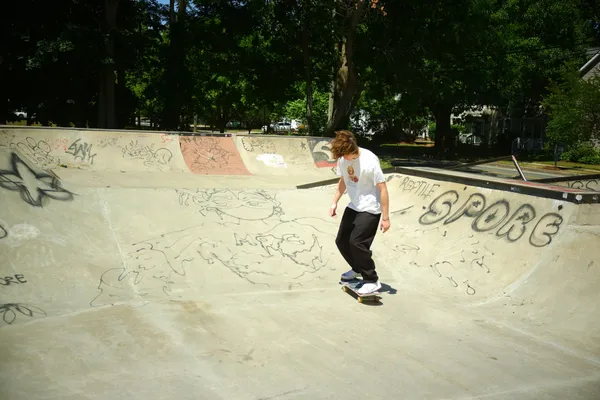
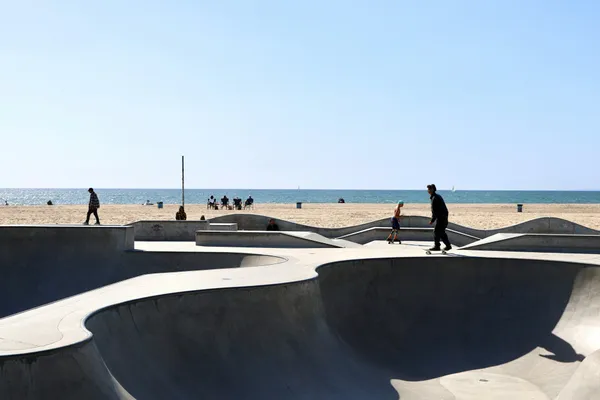
A photograph can make that moment feel unusually concentrated. The concrete holds a great deal of the frame, while the people occupy positions around it. A shoe or a bag near an edge may help explain how the open area is being used. The picture becomes more interesting as those seemingly minor objects begin to acquire a role.
The place people find
Different spots offer different forms of company. A long wall lets a group sit together and look in a shared direction. A more scattered arrangement of edges and ledges breaks people into smaller gatherings. The material itself can look similar while the social shape of the afternoon changes considerably. Watching where people choose to pause often explains more than simply counting who is there.
The surroundings continue to belong to a wider day. Someone may be passing through on their way elsewhere, or stopping briefly because the activity has caught their attention. Those uses don’t automatically fit neatly together. I’m interested in the specific gestures through which people acknowledge one another: a look, a short conversation, a change in where a board is carried.
When the group begins leaving, the arrangement beside the wall comes apart in a particular order. The bag that had held a gap in place is lifted. Someone bends to check the ground underneath it. A bottle is handed over, and a person already walking away turns back to accept it. The wall becomes easier to see as a continuous surface, with fewer belongings to mark where people have been sitting.