From beside a road, I hear a bicycle before I have decided where to put it in the frame. A figure enters the view, grows larger, and is already moving out of the part I was considering. I lower the camera and discover that I have spent most of the moment adjusting to how quickly the arrangement changed.
The next time I look up, I pay more attention to the road itself. There is a curve near the far side of the view and a dark area beneath some branches. A patch of light reaches the surface closer to where I am standing. These parts will remain after the rider has passed, so I try to understand what they are doing before another person arrives.
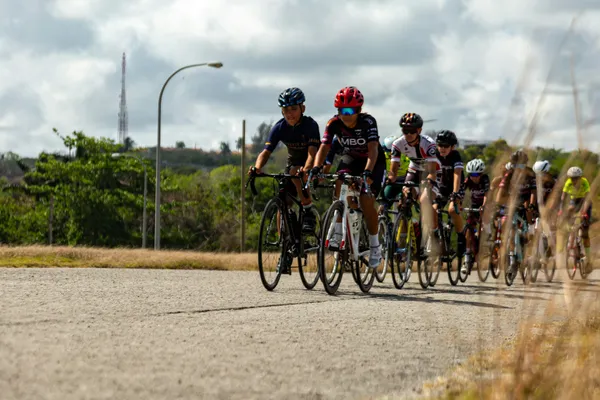
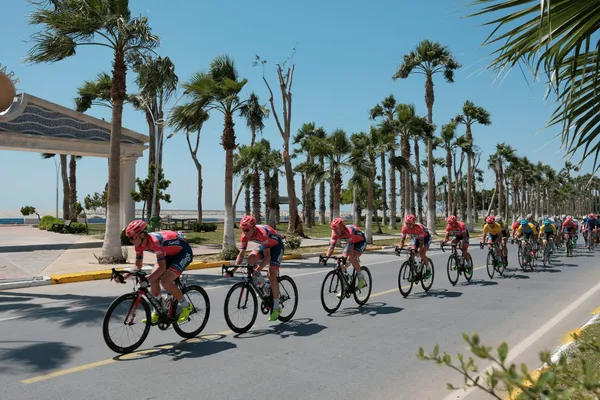
The photographs gathered here approach cycling through those brief relationships. A rider and a long stretch of road can occupy the same picture very differently depending on the frame. Leaving room ahead of the bicycle creates one expectation. A close view of a shoulder and a wheel asks the eye to work with a much smaller part of the movement.
I often prefer an image in which the person is not the largest thing. A broad area of ground can make their direction more apparent. A line of trees gives the figure something to move past, while a bend makes part of the route unavailable. The surroundings give me a way to imagine the movement continuing after the photograph ends.
A closer picture offers other kinds of information. The angle of a sleeve, a hand resting in a familiar position, or the overlap of two wheels can hold attention without showing much of the road. I find these details interesting when the frame leaves them with enough space to remain readable. A crowded crop can turn several distinct shapes into one confusing edge.
Light changes the balance quickly. A pale shirt may stand out against a dark background, then become less distinct when the rider reaches a brighter area. A wheel catches a small reflection that disappears almost as soon as I notice it. By the time I have found a clear arrangement, the person has moved into another one.
That timing is difficult to recover when I look at the photograph later. The picture can seem settled, as though all of its parts had been waiting in their positions. I have to remember the larger view around it: the moments when the rider was too far away to read clearly and the sudden closeness just before they passed out of sight.
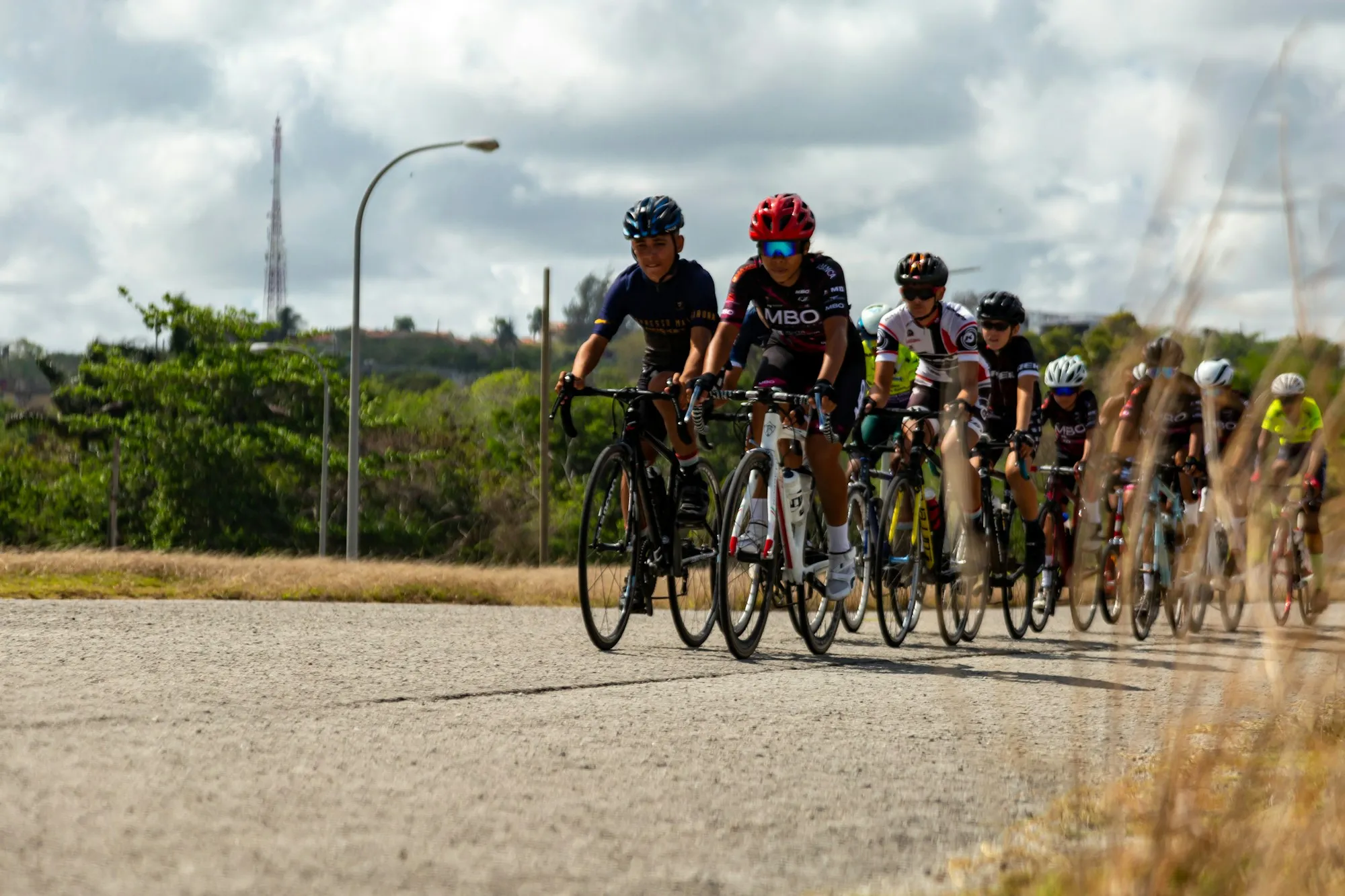
The sound continues after the figure has left the frame. For a little while, I am looking at an empty stretch of road while listening to a person who is already beyond it. That mismatch is difficult to put into a still image. I sometimes leave the camera raised for longer than I need to, trying to keep hold of a moment that has moved into another part of the surroundings.
I like a sequence that preserves some of those differences. A distant figure can sit beside a closer image without asking the photographs to describe a single route or event. Looking between them changes the scale at which I am paying attention. The space around a bicycle becomes as interesting as the visible details of the bicycle itself.
Looking through the pictures afterward, I find the awkward intervals useful too. A wheel has reached the edge before the rest of the composition feels ready. A rider crosses in front of a shape I had hoped to keep visible. Those images help me remember what the settled picture has left out.
When I put the camera down, the roadside returns to its ordinary scale. The bend is still there, and the patch of light has moved a little across the surface. Another rider appears in the distance. I watch for longer this time, following the small changes of position that a single frame would have to leave out.